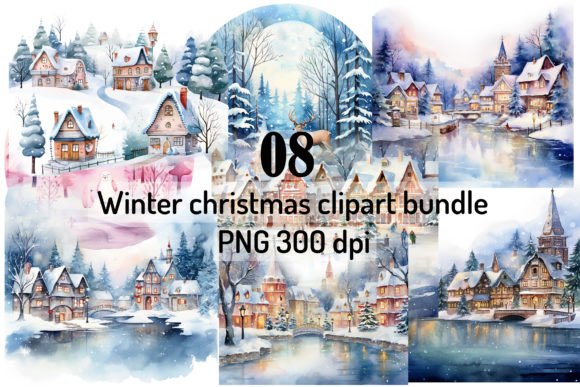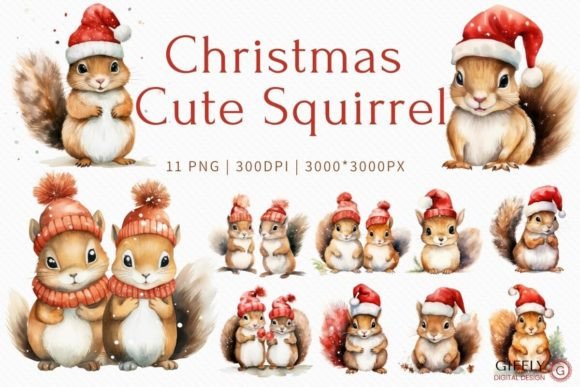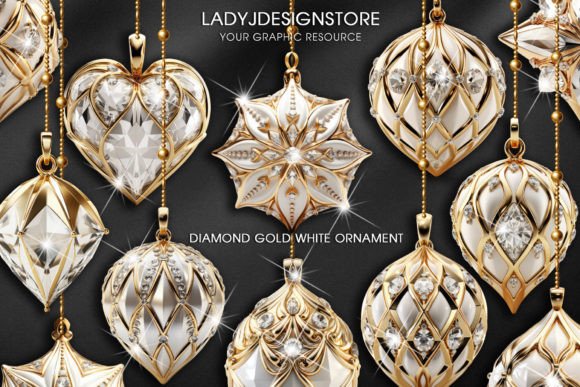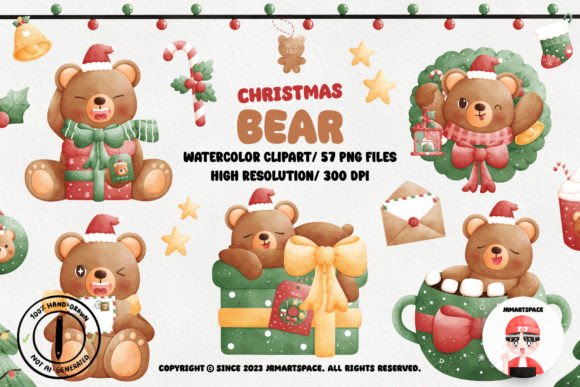
Reviewing Watercolor Christmas Decor Clipart for Stitching
As an embroidery designer who has spent years translating digital art into thread, I approach every new asset with a mix of excitement and skepticism. We all know that what looks stunning on a screen does not always translate seamlessly to fabric. Recently, I evaluated the Watercolor Christmas Decor Clipart collection to determine its viability for real-world production. My goal was not just to admire the aesthetics, but to understand how these Illustrations would perform under the needle, particularly for small business owners and crafters looking to elevate their holiday offerings.
First Impressions: Mood and Visual Personality
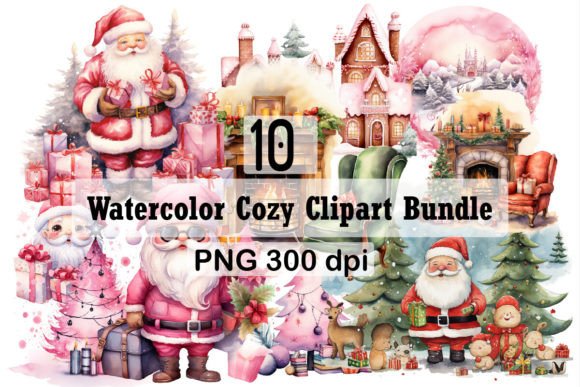
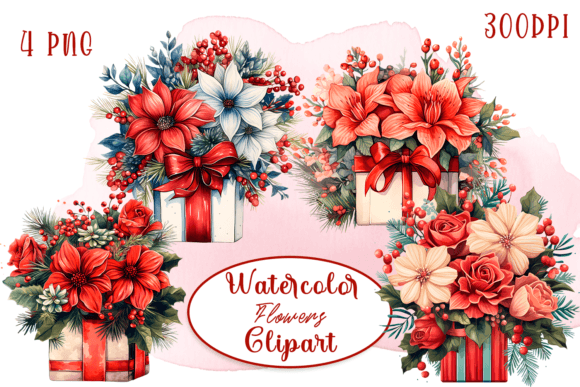
The immediate appeal of this clipart set lies in its soft, organic feel. Unlike rigid vector graphics or high-contrast line art, watercolor styles bring a sense of warmth and nostalgia that is perfect for the holiday season. The edges are soft, the colors blend naturally, and the overall composition feels hand-painted. For an embroidery project, this suggests a need for careful digitizing. You cannot simply auto-digitize these images and expect a professional result. The subtle gradients and loose shapes require a thoughtful approach to stitch types to maintain that artistic integrity without turning the design into a dense, cardboard-like patch on the fabric.
When I first opened the files, I considered the potential for holiday embroidery on home goods. The designs evoke a cozy, boutique atmosphere. They are not loud or aggressive; instead, they invite a closer look. This visual personality makes them ideal for brands that focus on quality, comfort, and timeless style rather than trendy, flashy graphics.
Real-World Application: From Screen to Sweatshirt
To test the practicality of these assets, I imagined a specific scenario: creating a limited run of custom apparel for a local boutique. I chose a cream-colored, heavy-weight cotton sweatshirt as the canvas. The plan was to place a central motif from the Watercolor Christmas Decor Clipart on the chest, accompanied by simple text.
In this context, the design shines. The soft edges of the watercolor style mimic the natural texture of thread when using fill stitches effectively. However, the challenge lies in color selection. Watercolor art often uses many shades to create depth. In embroidery, we are limited by thread colors. I found that simplifying the palette was essential. Instead of trying to match every subtle shift in hue, I selected three to four dominant thread colors that captured the essence of the original Illustrations. This approach kept the stitch count manageable and prevented the design from becoming too dense, which is crucial for maintaining the drape and comfort of a sweatshirt.
For a tote bag design, the same principles apply but with different considerations. Canvas fabric is sturdy and can handle higher stitch density. Here, the clipart could be scaled up significantly, allowing for more detail in the leaves, ornaments, or ribbons depicted in the artwork. A larger scale means you can use finer satin stitches for outlines and more intricate fill patterns for the colored areas, resulting in a premium-looking handmade product that justifies a higher price point.
Navigating Technical Challenges
While the aesthetic is beautiful, there are areas where caution is necessary. Watercolor designs often lack hard boundaries. In embroidery, this can lead to issues with registration and clarity if not handled correctly. When working with small hoop sizes, such as those used for caps or baby clothes, the details in these design assets might get lost. Tiny leaves or delicate brushstrokes can become indistinguishable blobs of thread if the stitch density is too high or the resolution is too low for the scale.
I recommend avoiding these designs on highly textured fabrics unless you are using an applique technique. If you attempt to stitch a detailed watercolor image directly onto a fluffy towel or a rough linen, the fabric texture will interfere with the stitch definition. For such materials, consider converting the clipart into an applique design. By using fabric pieces to represent the main color blocks and only stitching the outlines and key details, you preserve the watercolor look while reducing bulk and improving durability.
Another critical factor is the background. These designs typically feature light or transparent backgrounds. If you are stitching on dark fabric, you must ensure that your digitizing includes proper underlay stitches to prevent the fabric color from showing through the lighter threads. Without this step, the vibrant reds and greens of the Christmas decor will look muddy and dull. Always test your embroidery file on scrap fabric of the same color and type as your final product before committing to the full run.
Enhancing Brand Value and Customer Trust
For Etsy sellers and small shop owners, the choice of design directly impacts brand perception. Using high-quality, well-digitized versions of Watercolor Christmas Decor Clipart signals professionalism. It shows that you care about the finished look, not just the speed of production. Customers are increasingly discerning; they can tell the difference between a cheap, mass-produced item and a thoughtfully crafted piece.
When these designs are executed well, they enhance the giftability of the product. A personalized gift featuring a soft, artistic Christmas motif feels more special and curated than one with a generic, clip-art style graphic. This emotional connection can lead to higher customer satisfaction, repeat business, and positive reviews. Furthermore, consistent use of a cohesive artistic style helps build brand recognition. If your shop is known for elegant, watercolor-inspired holiday items, customers will come to expect and seek out that specific aesthetic.
Practical Notes for the Embroidery Designer
Before you purchase or download any digital embroidery file, there are several steps you should take to ensure success. First, always check the license terms. Confirm whether the design is approved for commercial use, especially if you plan to sell finished items or use the artwork in marketing materials.
- Test on Scrap Fabric: Never skip this step. Check for puckering, thread breaks, and color accuracy.
- Review Stitch Density: Ensure the design is not too dense for your chosen fabric. High density can cause stiffness and distortion.
- Check Thread Color Contrast: Make sure your thread choices stand out against the fabric background. Use a black and white mockup to verify value contrast.
- Inspect Small Details: Zoom in on the digitized file. Are the tiny elements recognizable? If not, simplify or remove them.
- Use Proper Stabilizer: Match your stabilizer to the fabric weight and stretch. Cut-away stabilizers are often best for garments that will be washed frequently.
Additionally, consider the end use of the product. If it is a baby embroidery item, ensure that all stitches are secure and that there are no long jumps or loose threads that could pose a safety hazard. For items that will undergo frequent washing, such as kitchen towels or aprons, use high-quality polyester threads that resist fading and bleeding.
Final Verdict
The Watercolor Christmas Decor Clipart offers a wonderful foundation for holiday-themed projects, provided it is approached with technical skill and artistic judgment. It is not a plug-and-play solution for beginners who rely solely on auto-digitizing software. However, for experienced designers and diligent crafters, it provides a versatile and aesthetically pleasing resource. By paying attention to stitch density, color selection, and fabric compatibility, you can transform these digital Illustrations into stunning, tangible products that delight customers and strengthen your brand. Whether you are creating a single personalized gift or a full collection for your online store, this clipart set has the potential to add a touch of elegance and warmth to your winter lineup.