Reviewing the Christmas Ball Sublimation Set for Embroidery
As a designer who has spent countless hours digitizing and stitching out holiday motifs, I approach every new machine embroidery design with a mix of curiosity and caution. The market is flooded with seasonal graphics, but few translate well from screen to fabric. Recently, I evaluated the Christmas Ball Sublimation Set, categorized under Illustrations, to determine its viability for real-world craft business applications. This isn’t just about whether the image looks pretty on a monitor; it’s about how those shapes, gradients, and details hold up under the needle.
First Impressions: Visual Personality and Mood
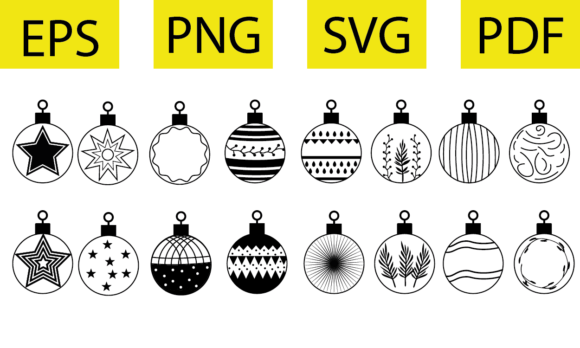
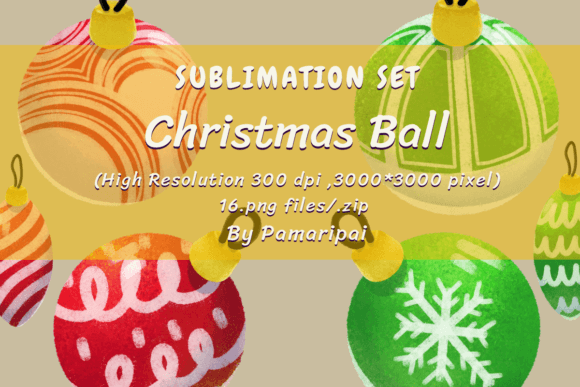
The first thing that strikes you about the Christmas Ball Sublimation Set is its vibrant, illustrative quality. Unlike traditional vector-based embroidery files that rely heavily on rigid geometric fills, this set leans into a softer, more artistic aesthetic. The mood is festive yet modern, avoiding the cliché clutter often found in holiday designs. For an embroidery project, this visual personality suggests versatility. It doesn’t scream "cheap souvenir"; instead, it hints at boutique-quality decor.
However, as a reviewer, I immediately noted the complexity. Sublimation-style graphics often feature smooth gradients and fine details that are notoriously difficult to replicate with thread. When I zoomed in on the embroidery file preview, I looked for how the designer handled these transitions. Did they use dense fill stitch areas that might puckers thin fabric? Or did they opt for a cleaner running stitch outline to define the shape? The layout feels balanced, but the detail level requires careful consideration regarding hoop size and fabric choice.
Real-World Application: From Screen to Stitch
To truly test the value of this set, I imagined a specific scenario: preparing a custom order for a local boutique client wanting unique holiday embroidery on tote bags. The client wanted something eye-catching but durable. Here is how the Christmas Ball Sublimation Set performs in such practical situations.
For a tote bag design, the bold colors of the illustration work well against canvas or heavy cotton. The visual weight of the Christmas ball anchors the design, making it a focal point. If I were stitching this on a sweatshirt, the sweatshirt embroidery would need to account for the fleece texture. A high-density design can sink into plush fabrics, losing definition. In this case, I would recommend using a cut-away stabilizer to support the stitch density and ensure the thread colors pop against the garment.
The set also shows promise for personalized gift items like pillow covers or aprons. On a kitchen towel, however, caution is needed. Towels have a loose weave, and intricate details from an Illustrations-based design might get lost or cause the fabric to pucker excessively. For these smaller, textured items, simplifying the design or choosing a larger hoop size to spread out the stitch count could be necessary.
Navigating Technical Challenges
While the aesthetic appeal is high, there are areas where the Christmas Ball Sublimation Set demands respect from the operator. One major concern is the potential for high stitch density. Sublimation graphics often mimic photographic realism, which translates to many small color changes and tight stitches in embroidery. If you are working with stretchy fabric or thin materials, this density can lead to distortion.
I advise testing the design on scrap fabric first. This is non-negotiable. Check how the satin stitch borders behave. Are they too wide for the scale of the design? Do they catch on the fabric? Also, consider the hoop size. If the design is large, ensure your machine can handle the dimensions without re-hooping, which risks misalignment. For curved surfaces like caps, this design might be too flat and broad. An embroidered patch might be a better alternative, allowing you to stitch the design on stable twill before applying it to the cap.
Another critical factor is color contrast. Sublimation styles rely on subtle shading. In embroidery, we are limited by available thread colors. You must review the color chart provided with the digital embroidery file and compare it to your actual thread inventory. If the design relies on ten shades of red, but you only have three, the final finished product will look flat. Test it in black and white mockups to see if the shape holds up without color reliance.
Enhancing Brand Value and Customer Trust
For Etsy sellers and small shop owners, the choice of design directly impacts brand perception. Using a high-quality, well-digitized set like the Christmas Ball Sublimation Set can elevate a handmade product from amateur to professional. Customers associate clean stitching and thoughtful design with higher value. When the visual appeal is strong, it boosts buyer engagement and trust.
This set fits well into a cohesive holiday collection. If you are creating custom apparel or nursery decor, consistency is key. Ensure that the style of this Christmas ball matches your other design assets. If your brand is minimalist, this illustrative style might clash unless used sparingly as an accent. However, for boutiques focusing on whimsical or vibrant holiday themes, it aligns perfectly.
Moreover, the versatility of the design allows for various commercial embroidery projects. From baby clothes to wedding gifts with a winter theme, the motif is adaptable. But remember, just because it looks good on a printable mockup doesn’t mean it stitches out perfectly. Always prioritize the physical test stitch over the digital preview.
Practical Designer Notes for Success
Before you purchase or download the Christmas Ball Sublimation Set, keep these practical tips in mind to ensure success in your craft business:
- Check Licensing: Confirm whether the license allows for commercial use. As an Etsy seller, you need to know if you can sell finished items made with this design.
- Stabilizer Selection: Due to the likely density of an illustration-style design, use a sturdy stabilizer. Tear-away might not be enough for stretchy knits; consider cut-away for longevity.
- Thread Quality: Use high-quality polyester or rayon threads to capture the sheen and vibrancy intended by the sublimation style. Cheap thread can break under high density.
- Fabric Texture: Avoid highly textured fabrics like bouclé for detailed areas. The stitches will get lost. Smooth cotton, linen, or polished polyester works best.
- Small Details: Inspect tiny corners or lettering if included. These are often the first to fail in stitching. You may need to merge or edit elements if the software allows.
In conclusion, the Christmas Ball Sublimation Set offers a fresh, illustrative take on holiday motifs that can significantly enhance your small shop product lineup. It requires a skilled hand and attention to technical details like stabilizer choice and thread tension, but the payoff is a distinctive, high-value embroidery project. By approaching it with a designer’s eye and a practitioner’s caution, you can turn this digital asset into a standout physical product that customers will love.