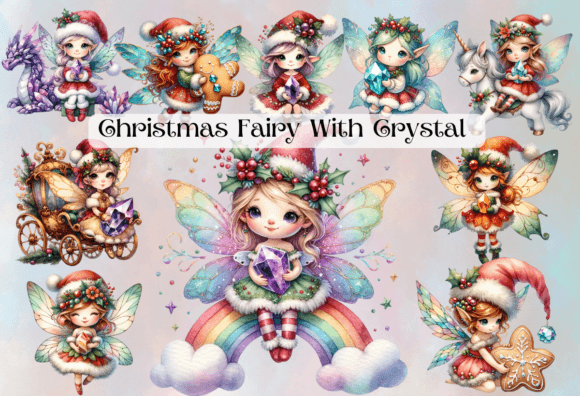
Christmas Fairy with Crystal Clipart for Illustrations
As a digital publisher who has spent over a decade refining the visual identity of high-traffic blogs and editorial platforms, I have learned that the difference between a scroll-past and a click-through often comes down to a single visual element. When I first opened the file for Christmas Fairy with Crystal Clipart, my immediate reaction was not just about the aesthetic appeal, but about its utility in a real-world publishing workflow. In the crowded landscape of holiday content, where every affiliate marketer and lifestyle blogger is vying for attention, having a graphic design asset that balances whimsy with polish is rare.
This particular piece falls squarely into the category of Illustrations that serve a dual purpose: it decorates while it communicates. The initial impression is one of magical elegance. It does not feel cheap or overly cartoonish, which is a common pitfall with seasonal graphics. Instead, it carries a refined, artistic weight that suggests quality. For a blog designer, this means the asset can support a narrative of trust and sophistication, even within a playful niche. It creates an editorial mood that is both festive and premium, making it ideal for content creators who want to maintain a strong brand identity without sacrificing the joy of the season.
Elevating Editorial Design with Strategic Visuals
In modern web design, visual hierarchy is everything. Readers scan before they read. When I integrate Christmas Fairy with Crystal Clipart into a layout, I am not just adding decoration; I am creating a focal point. Consider a standard blog post about holiday gift guides or winter wellness routines. A text-heavy header often fails to capture interest. However, placing this illustration as a hero image or alongside a compelling headline instantly softens the page and invites the reader in.
The versatility of this asset allows it to function across multiple touchpoints in a content marketing strategy. For Pinterest graphics, where vertical real estate is king, this clipart provides a striking central element that stands out against busy feeds. It works exceptionally well for newsletter headers, adding a touch of personality to an inbox that is otherwise flooded with corporate cold emails. For digital marketers and affiliate bloggers, using such a distinct visual can improve click-through potential by breaking the monotony of stock photography. It signals to the reader that the content behind the link is curated, thoughtful, and visually engaging.
Practical Applications for Content Creators
To truly understand the value of this graphic design asset, we must look at its application in specific publishing scenarios. Here is how I would deploy this illustration in a live content environment:
- Featured Images and Article Headers: Use the clipart to anchor the top of blog posts related to holiday decor, fantasy literature reviews, or seasonal DIY projects. It sets the tone immediately.
- Pinterest Pins and Social Media Graphics: Layer the illustration over solid or gradient backgrounds to create eye-catching pins. The crystal elements reflect light visually, drawing the eye even in small thumbnail formats.
- Digital Products and Lead Magnets: If you are creating a digital guide, eBook cover, or printable design, this asset adds perceived value. It makes a free checklist or a paid workshop feel like a premium creative design product.
- Newsletter Banners: Incorporate the fairy into your email template to boost open rates and engagement during the holiday season. It personalizes the communication.
- Canva Templates: For those who sell templates, this clipart can be a key selling point, allowing users to easily customize their own holiday marketing materials.
The key to successful integration is consistency. Whether you are working on small business branding or a large-scale media kit, the style of your images must align with your typography and color palette. This illustration pairs beautifully with serif fonts for a classic, storybook feel, or with clean sans serif fonts for a modern, minimalist contrast. It also holds its own against script and handwritten fonts, provided there is enough white space to let the details breathe.
Navigating Limitations and Technical Considerations
While Christmas Fairy with Crystal Clipart is a powerful tool, it is not a one-size-fits-all solution. As an experienced publisher, I advise using it carefully in certain contexts. For instance, on serious professional niches such as legal advice, financial planning, or corporate B2B content, this whimsical style may undermine authority. It is best reserved for lifestyle, education, entertainment, and creative industries.
Furthermore, technical execution matters. When using this asset for small mobile thumbnails, ensure that the intricate details of the crystal and fairy wings do not become muddy. You may need to simplify the background or increase the contrast to maintain clarity. Always test your designs on both desktop and mobile screens. A graphic that looks stunning on a 27-inch monitor might lose its impact on a 6-inch smartphone screen if the scaling is not handled correctly.
File size is another critical factor for web performance. High-resolution illustrations can slow down page load times, which negatively impacts SEO and user experience. Before uploading, compress images properly without sacrificing quality. Ensure you are using the correct file format—PNG for transparency and crisp edges, or JPG for photographic blends. Additionally, always confirm the commercial license terms. If you are using this for monetized websites, affiliate pages, or paid content products, you must have the right to use it commercially. Never assume; always verify.
Building Trust Through Polished Presentation
Ultimately, the goal of using high-quality Illustrations is to build reader trust. In the digital space, aesthetics are often interpreted as a proxy for credibility. A sloppy, pixelated, or generic image suggests a lack of care, which can translate to a lack of trust in the written content. Conversely, a polished, well-integrated graphic like Christmas Fairy with Crystal Clipart signals professionalism. It shows that you value your reader’s experience enough to invest in good design.
This asset supports better category recognition and stronger visual identity. When readers see this style repeatedly across your blog graphics, social media posts, and digital downloads, it becomes part of your brand vocabulary. They begin to associate that specific magical, crystalline aesthetic with your voice and expertise. This is the essence of effective small business branding in the creative marketplace.
For online educators and newsletter creators, this means your materials feel cohesive. For affiliate marketers, it means your recommendations feel curated rather than spammy. For designers, it means having a reliable element that elevates the overall composition. Whether you are building a website header, designing a worksheet, or crafting a social media preview, the right visual choice can transform ordinary content into something memorable.
In conclusion, Christmas Fairy with Crystal Clipart is more than just a decorative element; it is a strategic tool for digital publishers. By understanding its strengths, respecting its limitations, and applying it with technical precision, you can enhance your content marketing efforts, improve engagement, and create a more compelling online presence. Treat your visual assets with the same rigor as your written copy, and your audience will respond with greater attention and trust.